💥MUST SEE: (EXCLUSIVE OFFER) CLICK HERE TO VIEW PRICES AND AVAILABILITY💯
Pain can be frustrating, exhausting, and disruptive. Whether it comes from everyday physical activity, occasional muscle soreness, an old injury, joint problems, or a longer-term condition, persistent discomfort can affect sleep, movement, concentration, and overall quality of life.
As people search for different ways to support their well-being, CBD products have become increasingly popular. CBD gummies, in particular, offer a convenient and discreet format.
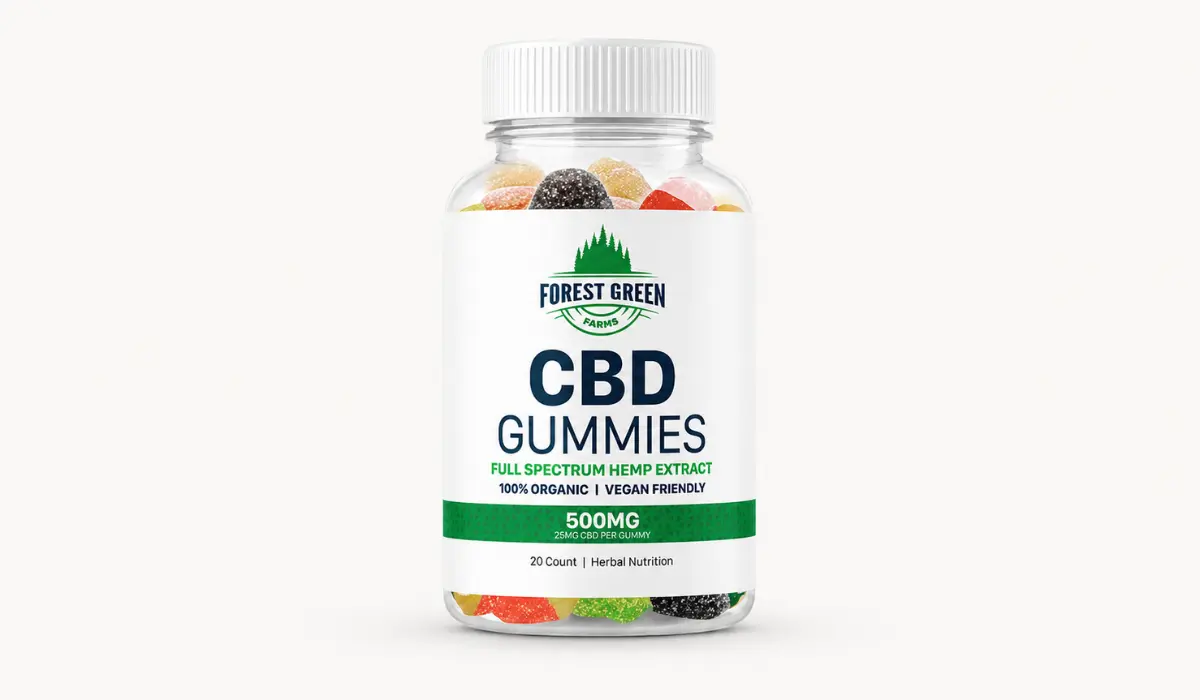
Forest Green Farm CBD Gummies may be of interest to consumers researching CBD products in connection with everyday discomfort and wellness.
But before considering any CBD gummy for pain, it is important to understand what CBD is, what researchers currently know, what remains uncertain, and how to evaluate a product responsibly.
What Is CBD?
Cannabidiol, better known as CBD, is a naturally occurring compound found in cannabis and hemp plants. CBD belongs to a group of compounds known as cannabinoids.
CBD is different from THC, another well-known cannabinoid. THC is primarily responsible for the intoxicating effects commonly associated with cannabis, while CBD is not generally considered intoxicating in the same way.
CBD is now available in numerous product formats, including oils, capsules, creams, beverages, and gummies.
The growing availability of these products has generated considerable consumer interest. At the same time, it has made it increasingly important for people to distinguish between wellness marketing and scientifically established medical benefits.
Why Are CBD Gummies Popular?
Gummies are one of the most recognizable forms of CBD products. Their popularity is partly related to convenience.
A gummy is easy to carry, does not require measuring a liquid, and can be consumed discreetly. Many consumers also appreciate having a labeled amount of CBD per serving.
However, a convenient format does not necessarily mean that a product has been proven effective for a particular condition.
CBD gummies should be viewed as products containing an active compound, not simply as ordinary candy.
Why Do People Consider CBD for Pain?
Pain relief is one of the most commonly discussed potential applications of CBD.
Researchers are interested in cannabinoids because they interact with biological systems involved in numerous processes, including pain perception and neurological signaling. Scientific research continues to explore how CBD and other cannabinoids may influence these pathways.
This research is promising in some areas but remains incomplete.
There is an important difference between evidence suggesting that CBD may influence a biological process and evidence demonstrating that a particular commercial CBD gummy consistently relieves pain in people.
💥MUST SEE: (EXCLUSIVE OFFER) CLICK HERE TO VIEW PRICES AND AVAILABILITY💯
For this reason, consumers should be cautious about claims that a CBD gummy is a guaranteed solution for chronic or severe pain.
What Does Current Evidence Tell Us?
Research into CBD and pain is still developing. Different studies have examined different cannabinoid formulations, conditions, and doses, making it difficult to apply findings from one study directly to every CBD product on the market.
The FDA has not approved over-the-counter CBD gummies as treatments for pain.
This distinction is particularly important. A product can contain a scientifically interesting compound without being an approved treatment for a disease.
Consumers should therefore evaluate claims about Forest Green Farm CBD Gummies or other CBD products based on reliable evidence rather than assuming that all CBD products have identical effects.
Pain Has Many Different Causes
Another reason to be cautious about broad pain-relief claims is that pain is not a single condition.
Muscle discomfort
Temporary muscle soreness can occur after exercise, physical work, or unfamiliar activity. Recovery, rest, gradual conditioning, and appropriate movement may all be useful.
Joint discomfort
Joint pain can have many causes, including injuries, arthritis, repetitive stress, and other medical conditions.
Nerve-related pain
Burning, tingling, shooting, or electric-like sensations may involve nerves and can have different underlying causes from ordinary muscle soreness.
Chronic pain
Long-term pain can involve physical, neurological, emotional, and lifestyle factors. Effective management often requires a broader treatment strategy.
Because these situations are so different, it is unrealistic to assume that one CBD gummy will work the same way for every person or every type of pain.
Evaluating Forest Green Farm CBD Gummies
If you are researching Forest Green Farm CBD Gummies, there are several things worth checking before making a decision.
Examine the CBD amount
Look at the amount of CBD listed per gummy and per serving. Clear labeling makes it easier to understand the product.
However, consumers should not assume that a higher CBD amount automatically produces better results.
Review the complete ingredient list
CBD is only one ingredient in many gummies. Other ingredients may include sweeteners, flavorings, oils, preservatives, or allergens.
Anyone with dietary restrictions or allergies should carefully review the complete label.
Look for laboratory testing
Independent laboratory testing can provide useful information about the product's cannabinoid profile and potential contaminants.
A certificate of analysis, or COA, can be particularly helpful when it identifies the product or production batch being tested.
Check THC information
CBD and THC are different compounds, but some hemp-derived products may contain THC.
Consumers who want to avoid THC should carefully review the product's testing documentation rather than relying solely on the word “CBD” on the packaging.
💥MUST SEE: (EXCLUSIVE OFFER) CLICK HERE TO VIEW PRICES AND AVAILABILITY💯
Why Third-Party Testing Matters
CBD products can vary in quality and composition.
The FDA has previously reported concerns involving CBD products whose actual cannabinoid content differed from their labels.
The agency has also raised concerns about contaminants and other quality issues.
Third-party testing cannot prove that a CBD gummy relieves pain, but it can provide useful information about what is actually contained in the product.
When available, consumers should look for testing that provides information about CBD, THC, other cannabinoids, and relevant contaminants.
Potential Side Effects
CBD may cause side effects in some individuals.
Potential effects can include drowsiness, digestive problems, and changes in appetite. CBD can also interact with medications, and the FDA has raised concerns about potential effects on liver function.
Individual reactions can vary.
If someone experiences significant or unexpected symptoms after using CBD, they should stop using the product and seek appropriate medical advice.
CBD and Prescription Medications
Medication interactions are one of the most important issues to consider before using CBD.
CBD can influence enzymes involved in the body's processing of certain medications. This means that CBD may potentially affect how some medicines work.
Anyone who takes prescription medication regularly should discuss CBD use with a doctor or pharmacist before trying it.
This is especially important for people taking multiple medications or medications that can cause drowsiness or are metabolized through the liver.
Pregnancy and Breastfeeding Considerations
People who are pregnant or breastfeeding should exercise particular caution with CBD.
The FDA advises against CBD use during pregnancy and breastfeeding because there are important unanswered safety questions.
A product being derived from hemp does not automatically establish that it is safe during these periods.
Is CBD a Natural Alternative?
CBD is often promoted as a natural wellness option. While CBD can be derived from plants, “natural” does not mean that a product is free of biological effects or potential risks.
Many naturally occurring substances can interact with medications or cause unwanted effects.
A better way to evaluate CBD is to consider the evidence, formulation, quality, dosage, potential interactions, and individual circumstances.
CBD and Expectations
People sometimes approach CBD products expecting immediate or dramatic results.
Such expectations may not be realistic.
Individual experiences with CBD can vary. Some consumers may report that CBD fits comfortably into their wellness routine, while others may notice little or no effect.
A personal testimonial does not establish that a product will work for everyone.
💥MUST SEE: (EXCLUSIVE OFFER) CLICK HERE TO VIEW PRICES AND AVAILABILITY💯
Similarly, if a person experiences less discomfort after using a CBD gummy, there may be several factors involved, including natural changes in symptoms, expectations, rest, lifestyle changes, or other treatments.
A Broader Approach to Pain Management
Pain management is often most effective when it addresses multiple factors.
Depending on the cause, a comprehensive approach might include:
Physical therapy
Regular movement
Strength and flexibility exercises
Adequate sleep
Stress management
Healthy nutrition
Recovery after physical activity
Appropriate medications when recommended
Treatment of the underlying condition
This broader approach is particularly important for chronic pain.
A CBD gummy, if someone chooses to explore it, should not automatically become the central component of a pain-management plan.
The Connection Between Sleep and Pain
Sleep deserves special attention because discomfort and poor sleep can influence one another.
Pain may make it harder to fall asleep or remain asleep. Poor sleep can then make discomfort feel more difficult to manage during the day.
Developing consistent sleep habits, maintaining a comfortable sleep environment, managing stress, and addressing the underlying source of pain can all be important.
CBD products are sometimes marketed for nighttime relaxation, but consumers should not assume that a CBD gummy is a guaranteed solution for either pain or sleep problems.
When Persistent Pain Should Be Evaluated
A CBD product should never be used as a reason to ignore persistent symptoms.
Medical evaluation may be appropriate when pain:
Is severe or worsening
Continues for a prolonged period
Has no obvious cause
Interferes with everyday activities
Frequently interrupts sleep
Develops after a serious injury
Occurs with weakness or numbness
Is accompanied by fever or other concerning symptoms
The underlying cause of pain can sometimes require specific treatment, so simply attempting to reduce the sensation may not address the actual problem.
Common Mistakes to Avoid
Consumers researching CBD gummies can avoid several common mistakes.
Mistake 1: Assuming all CBD products are identical.
Different products can have different formulations, concentrations, and cannabinoid profiles.
Mistake 2: Believing more CBD is always better.
There is no established rule that higher amounts produce better pain relief.
Mistake 3: Ignoring medication interactions.
CBD can interact with certain medications.
Mistake 4: Relying only on testimonials.
Individual experiences are not a substitute for scientific evidence.
Mistake 5: Using CBD instead of seeking medical care.
Persistent or unexplained pain deserves appropriate evaluation.
Mistake 6: Assuming “hemp” means risk-free.
Hemp-derived products can still contain active cannabinoids and may have potential risks.
💥MUST SEE: (EXCLUSIVE OFFER) CLICK HERE TO VIEW PRICES AND AVAILABILITY💯
Frequently Asked Questions
Can Forest Green Farm CBD Gummies cure pain?
There is not sufficient evidence to claim that a specific commercial CBD gummy can cure pain. Pain can have many underlying causes, and treatment depends on the individual situation.
Are CBD gummies approved painkillers?
No. Over-the-counter CBD gummies have not been approved by the FDA as pain medications.
Can CBD replace prescribed treatment?
People should not stop or change prescribed treatment because they want to try CBD. Any changes to a medical treatment plan should be discussed with a healthcare professional.
Does CBD work for everyone?
No. Individual responses vary, and the type and cause of pain can also influence outcomes.
Can CBD interact with medications?
Yes. CBD can interact with certain medications. People taking regular medication should seek advice from a doctor or pharmacist before using CBD.
Does a CBD gummy contain THC?
It depends on the product. Some hemp-derived CBD products may contain THC, so consumers should examine the product's labeling and laboratory documentation.
Making an Informed Choice
Consumers interested in Forest Green Farm CBD Gummies can make a more informed decision by looking beyond promotional claims.
Check the amount of CBD per serving. Review the full ingredient list. Look for independent laboratory testing.
Examine information about THC content. Consider possible medication interactions.
Most importantly, consider the reason for the pain.
If discomfort is persistent or unexplained, finding the underlying cause should be a priority. A supplement may be something an individual chooses to discuss with a healthcare professional, but it should not replace appropriate diagnosis or treatment.
Final Thoughts
Forest Green Farm CBD Gummies may appeal to people interested in a convenient CBD product for their personal wellness routine.
The growing interest in CBD has encouraged continued research into cannabinoids and their potential effects on the body, including their possible relationship with pain.
At the same time, consumers should maintain realistic expectations. Commercial CBD gummies should not automatically be considered proven treatments for pain, and no single product can be expected to work the same way for everyone.
Responsible CBD use begins with good information. Understanding the CBD concentration, reviewing ingredients, checking independent testing, considering THC content, recognizing potential side effects, and discussing medication interactions with a healthcare professional can all help consumers make safer choices.
For persistent, severe, or unexplained pain, professional medical evaluation remains essential. The goal should be to understand the source of the discomfort and develop an appropriate management strategy rather than simply masking symptoms.
CBD may be one wellness product that some consumers choose to explore, but informed decision-making is far more important than promises of guaranteed results.
This article is for general educational purposes only and is not medical advice. It does not establish that Forest Green Farm CBD Gummies diagnose, treat, cure, or prevent any disease or medical condition.
Consumers should consult an appropriately qualified healthcare professional for individualized guidance.